Is Relocating Wildlife Legal in Ontario? 7 Rules Cottage Owners Always Get Wrong

Owning a home or cottage in Central Ontario offers a unique connection to nature. Whether you are enjoying a quiet morning on the dock or a hike on local trails, wildlife is part of the charm. However, that charm quickly fades when a raccoon takes up residence in your attic or a family of squirrels decides your boathouse is their new nursery.
When faced with a "nuisance" animal, your first instinct might be to trap it and drive it far into the woods where it can live a happy life away from your property. It seems like the kindest option, right?
In reality, "dropping it off in a nice park far away" is often illegal in Ontario and frequently results in a death sentence for the animal. Navigating the Fish and Wildlife Conservation Act can be complex for property owners. At Targeted Wildlife and Pest Solutions, we prioritize both the protection of your home and the humane treatment of our local ecosystem.
Here are the seven rules regarding wildlife relocation in Ontario that cottage owners frequently misunderstand.
1. The 1-Kilometre Rule
The most common mistake cottage owners make is driving an animal 20 or 30 kilometres away to ensure it "doesn't find its way back."
Under Ontario law, captured wildlife must be released within one kilometre of where they were caught. This rule exists for several critical reasons:
Territory Knowledge: Animals know where to find food, water, and shelter within their established home range. Moving them further makes them "homeless" in an environment where they don't know the layout.
Conflict Prevention: Dropping an animal into a new area forces it to fight existing resident animals for resources.
Disease Control: Relocating animals long distances is a primary way that diseases like rabies, distemper, or parasites spread between wildlife populations.
If you are dealing with a recurring issue, simply moving the animal 1km away may not solve the problem. This is why professional exclusion: sealing the entry points: is more effective than relocation.

2. The 24-Hour Release Requirement
If you decide to trap an animal yourself, you cannot leave it in a cage indefinitely while you finish your weekend chores or wait for a convenient time to drive. Ontario regulations require that any captured wildlife be released or dealt with humanely within 24 hours.
Leaving an animal in a trap for longer than this causes extreme stress, dehydration, and potential injury as the animal tries to claw its way out. If you find yourself in a situation where you’ve captured an animal and aren't sure of the next steps, you can refer to our guide on what to do if you find a trapped wild animal.
3. Landowner Permission is Mandatory
You cannot simply pull over to the side of a country road or enter a Provincial Park to release a trapped animal. To release wildlife on any land that isn't your own, you must have the explicit permission of the landowner.
Releasing animals on Crown land or in public parks without authorization is restricted. Most people don't realize that by "helping" the animal, they may actually be trespassing or violating municipal bylaws.
4. The "Maternity Season" Moratorium
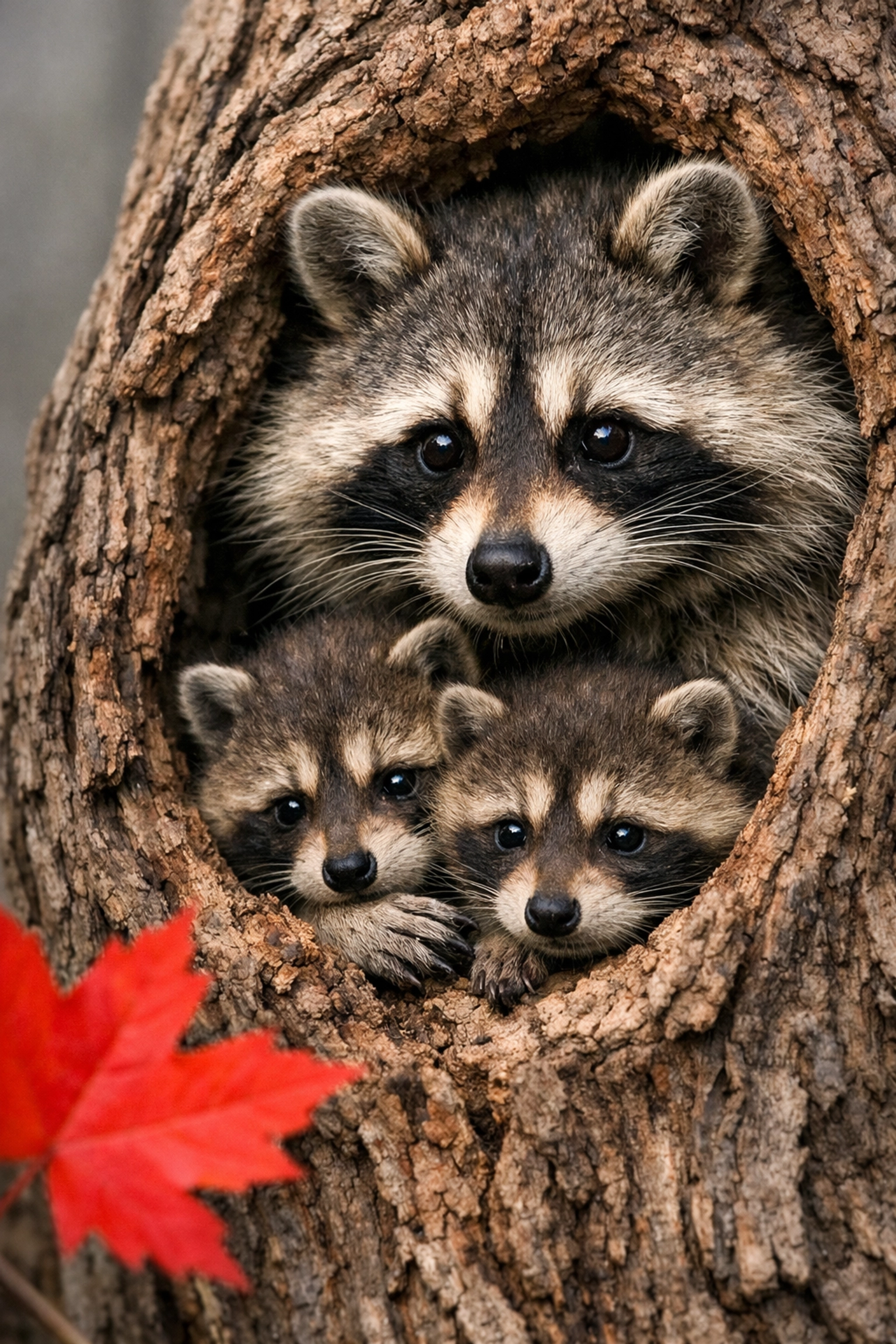
Many cottage owners attempt DIY removals in late spring or early summer. This is the most dangerous time for wildlife families. Between March and August, many species like raccoons and squirrels have dependent young.
If you trap and relocate a mother raccoon, her kits are left behind to starve in your attic or walls. Not only is this inhumane, but it also creates a secondary pest problem when the offspring perish inside your structure. Professional services like ours focus on preventing human-wildlife conflict by using one-way doors that allow the mother to move her young safely without trapping anyone inside.
5. Protected Species Restrictions
Not all wildlife can be handled by a property owner, even if they are causing damage. Certain species are strictly protected under the Endangered Species Act or require specific Ministry authorization to move.
Bats: Most bat species in Ontario are protected. You cannot simply "remove" them, especially during hibernation or pup-rearing seasons. If you suspect you have bats, learn more about why bats in Ontario are beneficial and protected.
Large Game: You cannot capture or relocate white-tailed deer, moose, or black bears without specific authorization from the Ministry of Natural Resources and Forestry (MNRF).
Endangered Species: If an animal is listed as endangered or threatened, DIY intervention can lead to significant fines.
6. Humane Treatment is Not Optional
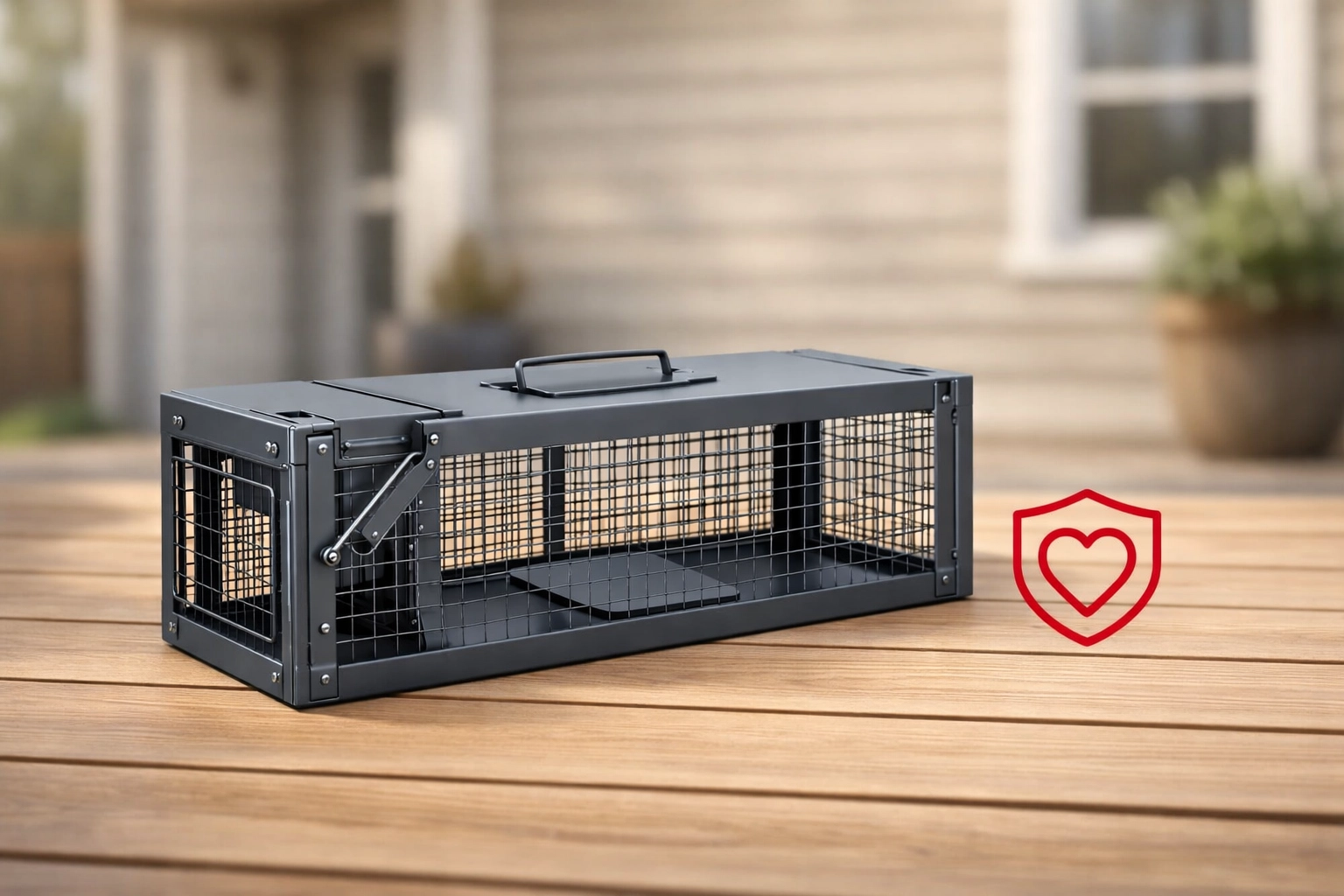
The law requires that you deal humanely with any wildlife you kill, capture, or harass. You cannot use methods that cause "unnecessary suffering."
Common "old school" methods like drowning or using improper traps are illegal and carry heavy penalties. At Targeted Wildlife and Pest Solutions, we utilize poison-free and eco-friendly alternatives that are designed to solve the problem without causing cruelty. We believe that professional pest control should respect the local environment across Orillia, Muskoka, Kawartha Lakes, Peterborough, and the surrounding areas.
7. The Myth of "Moving the Problem"
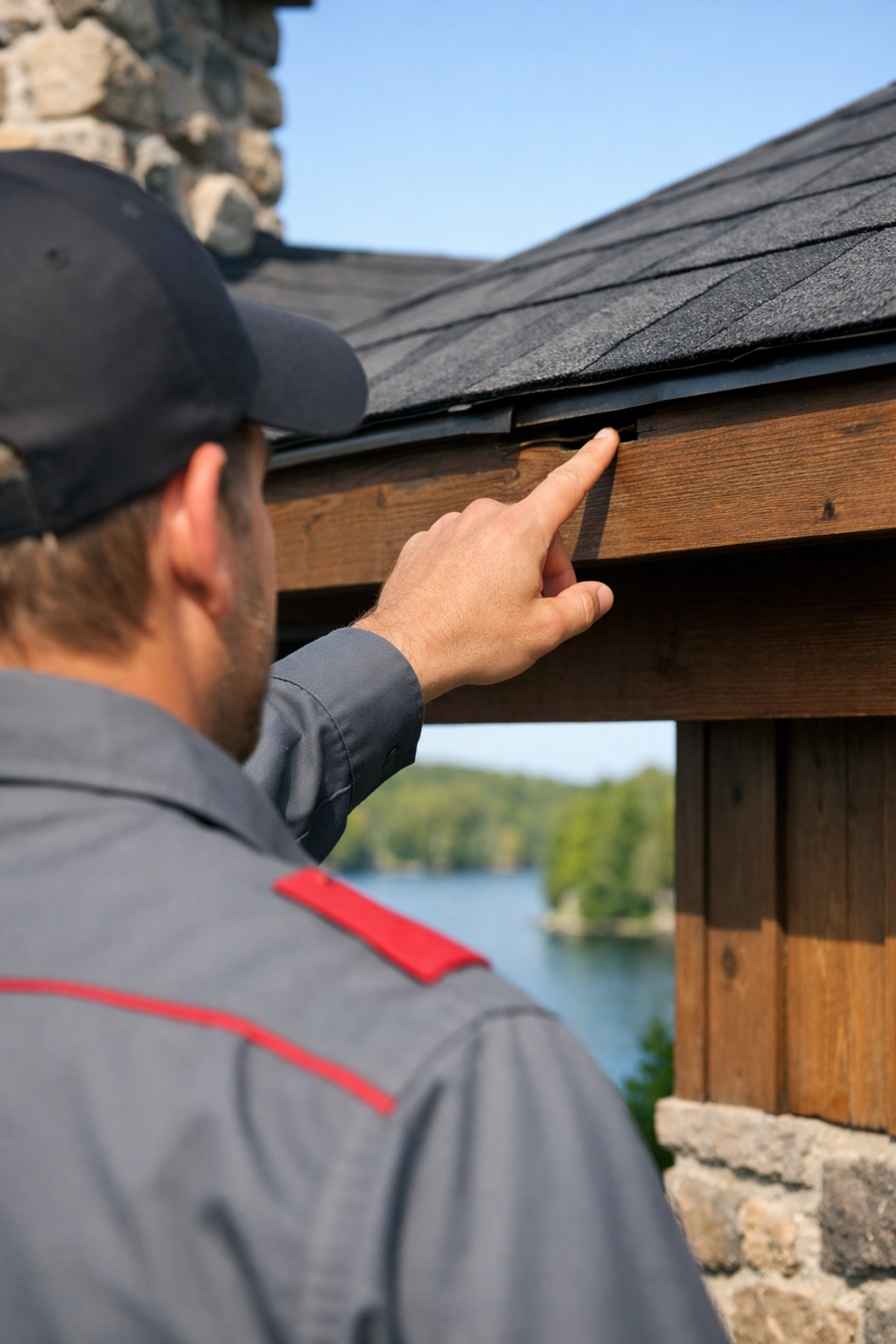
Many homeowners believe that once an animal is gone, the problem is solved. This is rarely the case. If your cottage has a hole in the soffit or a loose crawlspace vent, a new animal will likely move in within days.
Relocating an animal creates a "vacancy" in the habitat. Unless you address the physical reason the animal was there in the first place, you are stuck in a cycle of trapping and releasing. This is why the Ministry encourages property owners to focus on exclusion and prevention rather than capture and relocation.
Why Professional Intervention is the Best Choice
Understanding the legalities is only half the battle. Executing a safe, legal, and effective removal requires specialized equipment and knowledge of animal biology.
When you work with Targeted Wildlife and Pest Solutions, you aren't just getting someone to set a trap. You are getting a team that follows all provincial regulations and uses humane, eco-friendly methods. We focus on:
Inspection: Identifying exactly how and why the wildlife is entering your home.
Customized Solutions: Using one-way doors or hands-on removal to ensure families stay together.
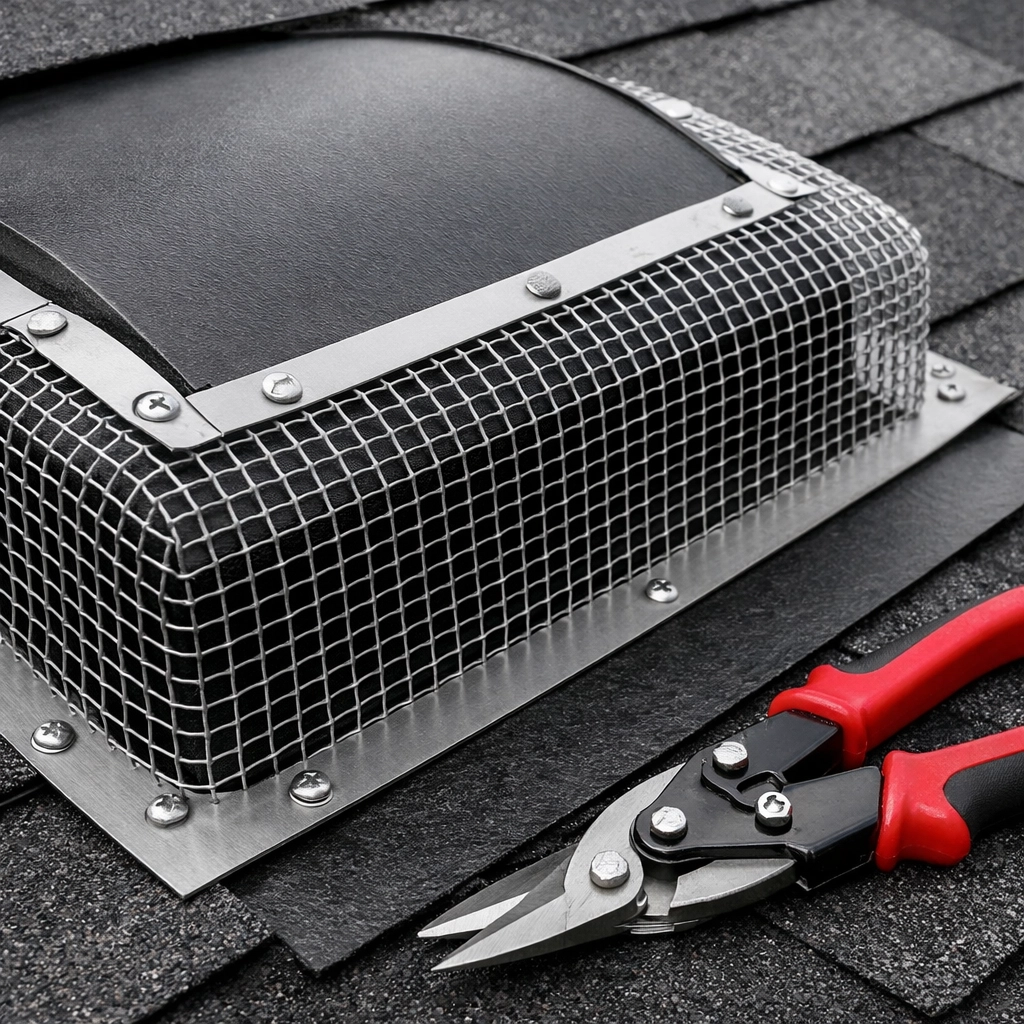
Exclusion: Sealing your property with high-quality materials to prevent future residents.
Legal Compliance: Ensuring all actions are within the 1km and 24-hour provincial guidelines.
Protecting Your Property in Central Ontario
Living in Central Ontario means sharing the landscape with incredible creatures. From the smallest mouse to the largest bear, these animals play a role in our ecosystem. While they don't belong in your living room, they do belong in our woods.
If you are struggling with wildlife at your home or cottage, don't risk a fine or cause unnecessary harm to the animal by attempting an illegal relocation. Reach out to a professional who understands the local landscape and the laws that protect it.
Whether you are dealing with biting flies or mice in your pantry, we have the expertise to help you maintain a safe, pest-free environment across Orillia, Muskoka, Kawartha Lakes, Peterborough, and the surrounding areas.
Ready to secure your cottage?
Don’t let a DIY mistake turn into a legal or ethical headache. Targeted Wildlife and Pest Solutions is here to provide reliable, long-term results with minimal disruption to your getaway.
Contact us today to discuss your wildlife needs: chances are, we have the perfect humane solution for your property. For more information on our services and how we can help you keep your home or cottage secure in Orillia, Muskoka, Kawartha Lakes, Peterborough, and the surrounding areas, visit our website.
Comments