Poison-Free Pest Control: 10 Eco-Friendly Alternatives That Actually Work in Haliburton County

Traditional pest control methods often rely on harsh chemicals that can harm your family, pets, and the beautiful Haliburton County environment. You don't need toxic pesticides to protect your property from unwanted pests. These ten eco-friendly alternatives deliver proven results while keeping your home safe and your conscience clear.
Why Choose Poison-Free Pest Control?
Chemical pesticides create unnecessary risks in your living environment. They contaminate soil and water sources, harm beneficial insects like bees and butterflies, and pose health threats to children and pets. Eco-friendly pest control methods work by addressing root causes of infestations, using natural deterrents, and employing biological controls that maintain ecological balance.
Your Haliburton County property deserves protection that doesn't compromise your family's wellbeing or the natural beauty of the region.
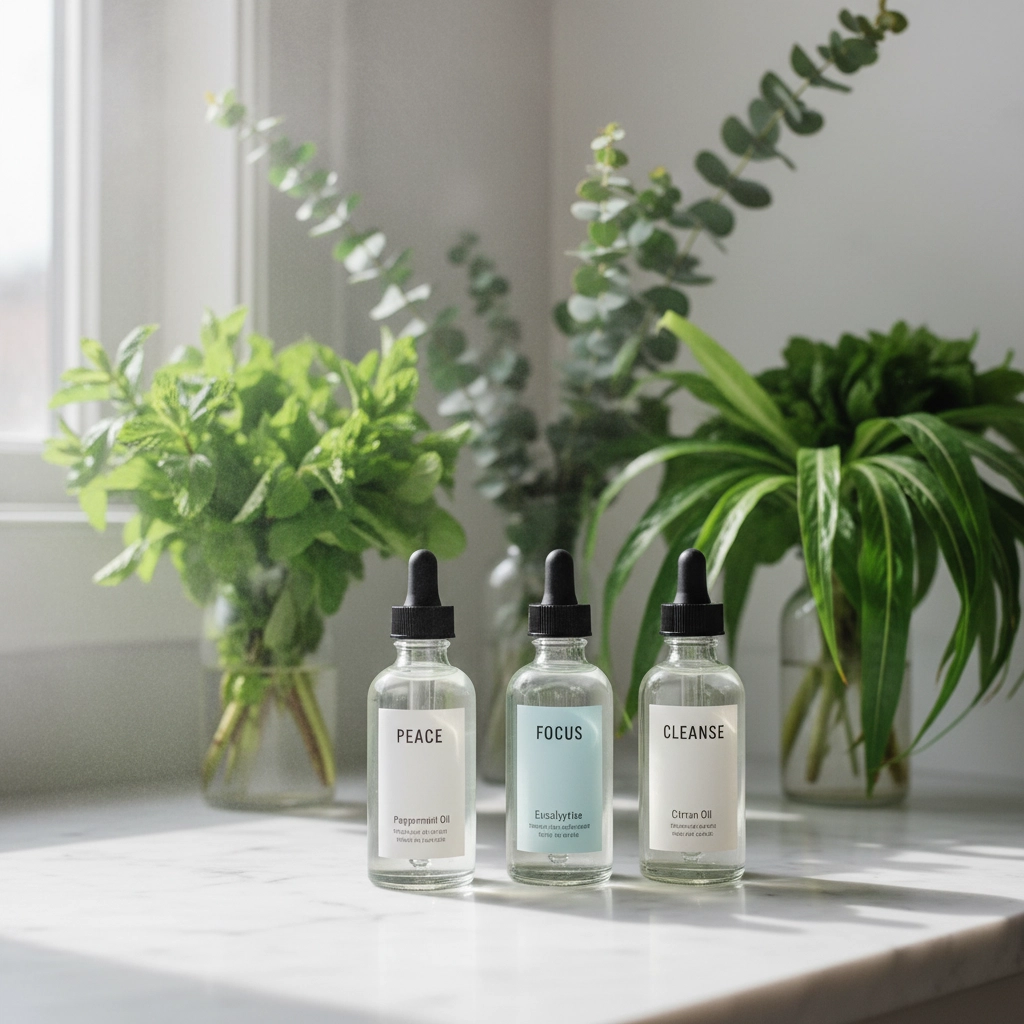
1. Essential Oil-Based Repellents
Essential oils create powerful natural pest deterrents when mixed with water in spray bottles. Eucalyptus oil effectively reduces flies and roaches, while citronella oil repels mosquitoes with its distinctive scent. Peppermint oil works exceptionally well against ants and spiders, making it perfect for indoor applications.
How to use essential oils effectively:
Mix 10-15 drops of essential oil with one cup of water
Add a few drops of dish soap to help the mixture stick
Spray around entry points, windowsills, and problem areas
Reapply every few days or after rain
These oils offer additional benefits beyond pest control, creating pleasant aromas throughout your home while maintaining a chemical-free environment.
2. Coffee Ground Deterrents
Used coffee grounds provide an excellent natural pest control method, particularly effective against ants, slugs, and snails. The strong scent masks odors that attract insects, and burnt coffee grounds become even more potent deterrents.
Proper coffee ground preparation:
Brew coffee normally, then filter the grounds a second time
Dry grounds completely in a pan until dehydrated
Sprinkle around garden vegetables, doorways, and cracks
Replace weekly or after heavy rainfall
This method recycles waste while protecting your property, making it both environmentally friendly and cost-effective.
3. Companion Planting Strategy
Companion planting utilizes natural plant properties to protect gardens from pests. Marigolds planted among vegetables naturally repel nematodes and other harmful insects. This time-honored gardening practice enhances your landscape's beauty while providing chemical-free pest control.
Effective companion plant combinations:
Marigolds with tomatoes and peppers
Basil near tomato plants to repel aphids
Nasturtiums as trap crops for cucumber beetles
Garlic planted around roses to deter aphids
This approach works particularly well during Haliburton County's growing season, creating natural barriers that protect your garden investments.

4. Physical Barrier Protection
Simple physical barriers often provide the most effective pest control without any chemicals. Copper tape deters slugs and snails through mild electrical reactions, window screens block flying insects, and garden nets protect crops from larger pests.
Essential barrier solutions:
Fine mesh screens over vents and openings
Copper strips around plant beds and entry points
Row covers during vulnerable growing periods
Caulking and sealing of cracks and gaps
Strategic placement of these barriers around your property significantly reduces pest infestations while requiring no ongoing chemical applications or maintenance concerns.
5. Insect-Repellent Plant Gardens
Specific plants naturally repel insects through their distinct scents and compounds. Lavender, marigolds, citronella grass, catmint, rosemary, basil, mint, and sage all provide effective natural pest deterrents.
These plants prove particularly useful against disease-carrying mosquitoes during Haliburton County's morning and evening hours when these pests are most active.
Best insect-repelling plants for your garden:
Lavender for moths and mosquitoes
Citronella grass for mosquitoes and flies
Catmint for mosquitoes (more effective than DEET)
Rosemary for mosquitoes and cabbage moths
Mint for ants and mice
Plant these strategically around patios, entryways, and outdoor living spaces for maximum protection.
6. Boric Acid Applications
Boric acid serves as a naturally occurring, safer alternative to conventional insecticides for roach control. This compound acts as a stomach poison when used as bait in powder form. When applied correctly in areas inaccessible to children and pets, boric acid provides effective long-term roach management without environmental contamination.
Safe boric acid application:
Mix with sugar or flour to create attractive bait
Place in bottle caps or small containers
Position behind appliances and in dark corners
Keep away from food preparation areas
This method requires patience but delivers lasting results without repeated chemical treatments.

7. Homemade Insecticidal Soaps
Simple soap and water mixtures create effective insecticidal treatments for soft-bodied pests like aphids and spider mites. These soaps dissolve pest exoskeletons and cause dehydration when sprayed directly onto insects.
Creating effective insecticidal soap:
Mix 1-2 tablespoons of mild liquid soap per quart of water
Add to spray bottle and shake well before use
Spray directly on affected plants during cooler hours
Rinse plants after 2-3 hours to prevent leaf damage
Made from common household ingredients, insecticidal soaps align perfectly with chemical-free pest management while remaining safe for most plants and beneficial insects.
8. Biological Control Systems
Biological controls use living organisms to naturally reduce pest populations. Predators like ladybugs, predatory mites, and lacewings consume harmful insects. Parasitoids such as beneficial wasps prevent pest development and reproduction.
Beneficial organisms for natural control:
Ladybugs for aphid management
Lacewings for soft-bodied pest control
Predatory mites for spider mite problems
Beneficial nematodes for soil-dwelling pests
Beneficial pathogens including Bacillus thuringiensis bacteria produce proteins toxic to specific insects while remaining harmless to humans and beneficial species.
9. Integrated Pest Management (IPM)
IPM represents a comprehensive approach that identifies root causes of pest problems before applying treatments. This method eliminates pest entry points, removes food sources, cuts off moisture access, and removes shelter areas.
Key IPM principles:
Regular inspection and monitoring
Identification of pest species and damage
Prevention through habitat modification
Targeted treatments using least toxic methods first
By addressing foundational issues, IPM reduces the need for any pesticide applications while providing superior long-term control.

10. Targeted Natural Treatments
After implementing preventive measures, targeted natural treatments address remaining pests using the least toxic methods first. These include microbial insecticides, diatomaceous earth, and botanical oils that specifically affect target pests without harming beneficial insects.
Effective natural treatment options:
Diatomaceous earth for crawling insects
Neem oil for various garden pests
Pyrethrin (from chrysanthemum flowers) for flying insects
Beneficial bacteria for specific pest larvae
This approach emphasizes creating healthy growing environments where plants naturally resist pest attacks and recover more effectively when challenged.
Implementing Your Poison-Free Strategy
These eco-friendly alternatives work most effectively when combined as part of a comprehensive pest management strategy. Start with prevention methods like sealing entry points and removing food sources. Add physical barriers and repellent plants to create multiple layers of protection.
Monitor your property regularly to catch problems early when natural solutions are most effective. Allow beneficial insects to establish populations that provide ongoing natural pest control for your Haliburton County property.
Remember that poison-free pest control requires patience and consistency, but the long-term benefits for your family's health and the environment make this approach worthwhile. Your property can remain pest-free without compromising the natural beauty and ecological balance that make Haliburton County special.
If you need assistance implementing these eco-friendly solutions or face persistent pest challenges, professional guidance can help you develop an effective, environmentally responsible pest management plan tailored to your specific property needs.
Comments